Music in childhood is much more than entertainment; it becomes a key tool for children’s cognitive, emotional, and social development. Understanding the importance of music from an early age allows children to develop skills that will accompany them throughout life, such as creativity, concentration, and self-esteem, thus strengthening their overall growth.
In this article, we explore the benefits of music in childhood, the types of activities and classes that can enhance musical learning, and how to integrate music into children’s daily lives to support their holistic development. We also provide recommendations for parents and educators to support this learning in a practical and enjoyable way.
Why Music Is Essential in Childhood
Scientific studies show that exposure to music during childhood improves various aspects of child development. Consequently, a positive impact is observed on:
- Cognitive development: strengthens memory, attention, and learning ability, which in turn improves academic performance.
- Social skills: playing in a group teaches cooperation, communication, and respect for others.
- Emotional expression: singing and playing instruments allows children to communicate emotions and feelings in a safe and creative way.
- Motor skills and coordination: learning rhythms and movements develops physical skills, promoting coordination and body control.
For this reason, our music classes for kids focus on combining fun with learning, stimulating all these areas while children enjoy the creative process and feel motivated to keep exploring music.
Types of Musical Activities for Children
There are several ways to introduce music to children in an educational and entertaining way:
- General music classes: teach basic theory, rhythm, and melody. Learn more in our music classes.
- Creative music classes: encourage improvisation and composition in children, enhancing creativity and autonomy. Discover our creative music classes for kids.
- Instrument classes: piano, guitar, or violin, adapted to all ages, facilitating technique and practice. Learn more in piano classes, guitar classes, and violin classes.
- Singing classes: develop the voice and musical expression. Check out our singing classes for kids.
Specific Benefits of Creative Music for Children
Creative music allows children to explore and learn playfully. In this way, they can:
- Explore sounds and rhythms freely and enjoyably, fostering curiosity and experimentation.
- Improve improvisation and creative thinking by applying their own ideas in musical activities.
- Increase self-esteem by expressing original musical ideas.
- Encourage collaboration and teamwork through shared activities, strengthening social skills.
Our creative music classes for kids combine games, songs, and improvisation exercises adapted to each age, promoting playful and meaningful learning while children have fun and gain confidence.
How Music Supports Emotional and Social Development
Participating in musical activities contributes to children’s emotional well-being and strengthens social skills:
- Expression of emotions: music allows children to convey feelings that cannot always be verbalized, promoting emotional balance.
- Self-confidence: performing songs or playing in a group strengthens self-esteem and personal security.
- Empathy and collaboration: practicing together teaches listening and adapting to others, fostering respect and cooperation.
Group music classes for children and teenagers, such as our music classes for teenagers, foster these social skills while learning to play or sing in harmony with others in a fun and educational way.
Introducing Instruments from an Early Age
Introducing musical instruments early has multiple advantages. Consequently, children:
- Develop hand-eye coordination and fine motor skills, facilitating technical performance.
- Enhance understanding of rhythm and harmony, reinforcing musical learning.
- Encourage discipline and consistency through regular practice, creating sustainable study habits.
Our programs allow children to experiment with instruments adapted to their size and level. For example, in piano classes and guitar classes, technical exercises are combined with songs they enjoy, ensuring motivating and progressive learning.
Music as a Comprehensive Educational Tool
Learning music in childhood develops not only musical skills but also cognitive and academic abilities. Studies show that children involved in musical activities demonstrate:
- Better performance in math and reading, reflecting the transfer of musical learning to other areas.
- Greater concentration and memory capacity, strengthening sustained attention.
- Problem-solving and critical thinking skills, developing broad cognitive competencies.
Therefore, our music classes for adults also incorporate techniques and knowledge that can be applied to teach and share music with children, enhancing educational transmission and creating meaningful learning experiences.
Practical Tips to Encourage Music at Home
- Listen to music together and discuss what is heard in the songs, reinforcing auditory comprehension.
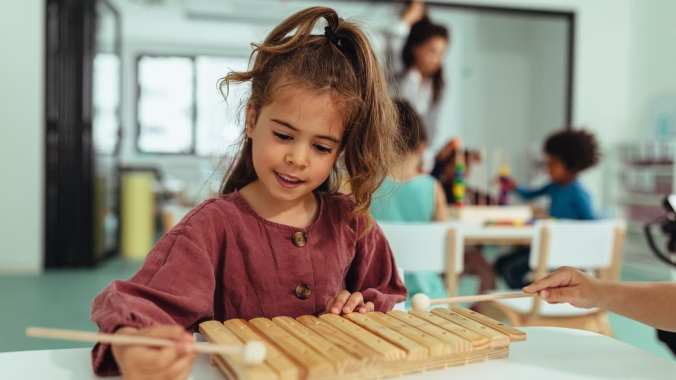
- Play with simple percussion instruments like drums or xylophones, stimulating coordination and rhythm.
- Encourage children to sing or play simple melodies daily in a fun and consistent way.
- Create spaces for improvisation and free composition, fostering creativity and autonomy.
- Complement with educational resources such as videos, apps, or music workshops to diversify learning.
Connection with Other Artistic Disciplines
Music can also be integrated with other artistic expressions to enhance learning. For example, combining singing and theatre helps improve body expression, diction, and creativity. This can be complemented with experiences in musical theatre in Madrid for children and teenagers, strengthening comprehensive skills.
Conclusion
Music in childhood is a powerful tool for children’s overall development. It also promotes creativity, concentration, emotional expression, and socialization. Participating in music classes for kids, creative music classes, instrument classes, or singing classes for kids ensures complete, fun, and progressive learning.
Start the Musical Adventure
Visit our music classes and creative music classes to discover how music can transform your children’s childhood, stimulating their development and creativity in a comprehensive and sustained way.
Frequently Asked Questions About Music in Childhood
Why is music fundamental in childhood?
Music in childhood strengthens children’s cognitive, emotional, and social development, fostering creativity, concentration, self-esteem, and social skills that support their overall growth.
What benefits does music bring to children’s cognitive and social development?
It improves memory, attention, and learning ability, encourages cooperation and communication, allows safe emotional expression, and develops coordination and motor skills.
What types of musical activities are recommended for children?
General music classes, creative music, instrument lessons such as piano, guitar, or violin, and singing classes. All are adapted to the child’s age and level to combine learning and fun.
How does creative music benefit children?
It encourages free exploration of sounds and rhythms, improves improvisation and creative thinking, boosts self-esteem, and promotes collaboration and teamwork.
How does music support emotional and social development?
It allows emotional expression, strengthens confidence and self-esteem, and teaches empathy and collaboration by practicing together with other children, fostering respect and cooperation.
What are the advantages of introducing instruments from an early age?
It develops hand-eye coordination and fine motor skills, enhances understanding of rhythm and harmony, and encourages discipline and consistency through regular practice.
How does music contribute to academic learning?
Participating in musical activities improves performance in math and reading, strengthens concentration and memory, and develops problem-solving and critical thinking skills.
What recommendations are there to encourage music at home?
Listen to music together, play with simple instruments, encourage daily singing or playing melodies, create spaces for improvisation and composition, and complement with a variety of educational resources.
How can music be integrated with other artistic disciplines?
Music can be combined with singing, theater, or dance to improve body expression, diction, creativity, and stage presence, enhancing children’s overall skills.
What is the importance of children’s music classes?
Children’s music classes allow for progressive and enjoyable learning, stimulating cognitive, social, and emotional development, fostering creativity, coordination, and musical expression from an early age.